Loading...
Long relegated to the margins of music history, women composers — past and present — are gradually reclaiming the place that is rightfully theirs on the concert stage. This programme honours four singular figures with rich and contrasting worlds.
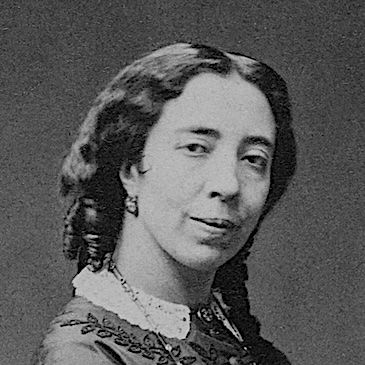
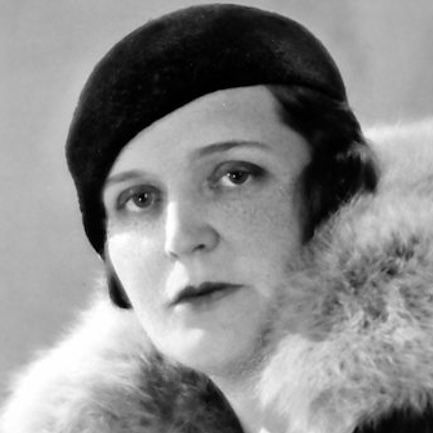
Pauline Viardot, celebrated singer, composer and pupil of Liszt, close to Chopin, embodies one of the most fascinating personalities of the 19th century. Germaine Tailleferre, the only woman in the Groupe des Six, stands out through the originality of her language, the finesse of her harmony and the diversity of styles she explores.
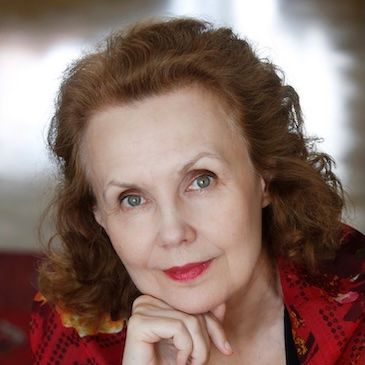
The second part of the concert brings together two contemporary voices: Kaija Saariaho, a major figure of 20th- and 21st-century music, and Sofia Avramidou, the festival's composer-in-residence, whose works will be performed in collaboration with the artists present.
Book a ticket for this concert or get a pass for the full week.
By buying a week pass you become a Friend of the Festival and help fund passes for students, teachers, and families.
Three songs showcasing the breadth of Viardot's vocal imagination. "Canción de la infanta" draws on Spanish color, "Les filles de Cadix" is a sparkling showpiece with its playful bolero rhythm, and "Berceuse cosaque" evokes the vast steppes with a haunting Cossack lullaby. Each song reflects Viardot's deep knowledge of different vocal traditions.
"Die Sterne" (The Stars) is a rare and beautiful trio for voice, cello and piano by Viardot. The intimate combination of voice and cello creates a rich, warm texture as both instruments intertwine around the piano accompaniment. The song's nocturnal imagery and tender lyricism exemplify Viardot's gift for atmospheric vocal writing.
Two songs set to poems by Lord Byron, demonstrating Tailleferre's refined harmonic language and her sensitivity to English Romantic poetry. As the only woman among the Groupe des Six, Tailleferre developed a distinctive voice that combined neoclassical clarity with a subtle, personal lyricism.
A triptych of short piano pieces that showcases Tailleferre's gift for elegant miniatures. The Impromptu sparkles with wit, the Larghetto unfolds with tender expressivity, and the slow waltz sways with graceful melancholy — a perfect illustration of Tailleferre's ability to combine lightness of touch with emotional depth.
Composed in 1917, Jeux de plein air was one of Tailleferre's earliest successes and a work that won the admiration of her fellow members of the Groupe des Six. Written for two pianos, it evokes the joyful energy of outdoor games with bright, playful textures and a keen rhythmic drive. The piece established Tailleferre's reputation for wit, colour, and structural elegance.
"Parfum de l'instant" is an extract from Quatre instants (2002), a song cycle for soprano and piano on texts by Amin Maalouf. Each of the four songs captures a different "instant" of experience. This particular movement explores the ephemeral nature of a fleeting moment through Saariaho's characteristic luminous textures and the interplay between the voice and the piano's resonant overtones.
Written in 2000, Sept Papillons is a cycle of seven short pieces for solo cello, each one a fleeting, delicate vignette — like the butterflies of the title. Saariaho explores a wide range of timbres and extended techniques: harmonics, glissandi, tremolo, and whispered sounds. The pieces range from barely audible whispers to passionate outbursts, creating an intimate, almost fragile sonic world.
"Entre les miroirs" (Between the Mirrors) is a work for solo voice by Sofia Avramidou, the festival's composer-in-residence. The piece explores the voice as a prism of sound, using extended vocal techniques and the idea of reflections and refractions. It is part of Avramidou's ongoing exploration of the relationship between text, timbre and theatrical gesture.
"Légende St Martin" is a work for solo cello by Sofia Avramidou, inspired by the legend of Saint Martin of Tours. The piece uses the cello's rich, narrative capabilities to tell a story through music, combining lyrical passages with more intense, dramatic gestures.